
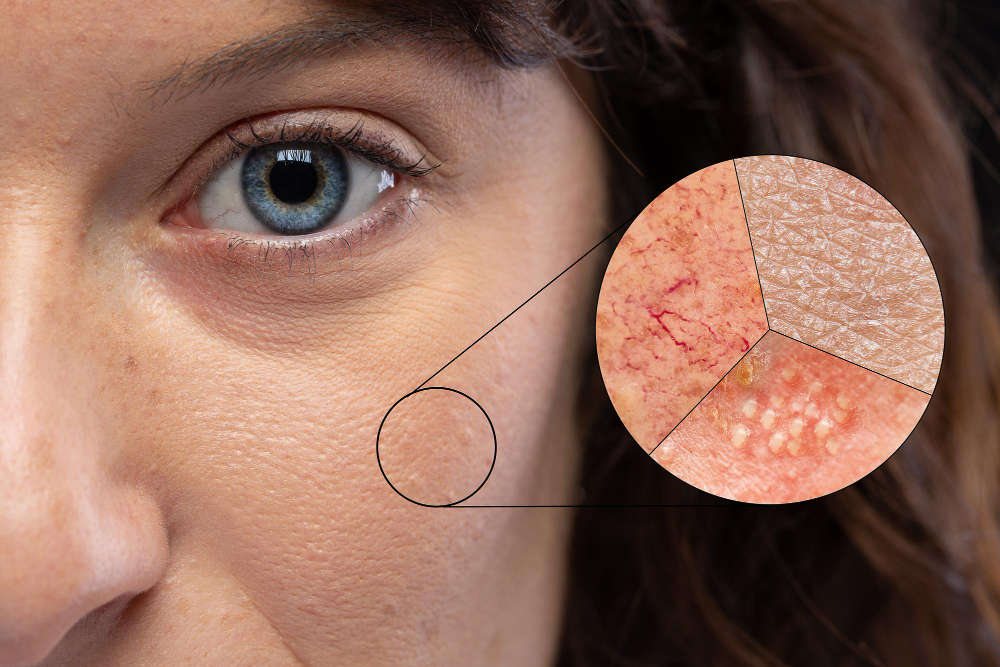
Your skin is your body’s first line of defense. When the skin barrier is damaged, it can no longer protect you well. Skin barrier damage happens when this outer layer becomes weak or broken. Because your skin keeps out germs and locks in moisture, damage can lead to many problems. Therefore, spotting the signs early helps prevent bigger issues. In this blog, you will learn about skin barrier damage, its symptoms, and how to repair your skin barrier for better health.
What Is the Skin Barrier?
First, let’s understand what the skin barrier is. The skin barrier is the outermost layer of your skin. It acts like a shield. This layer keeps water inside your body and blocks out harmful things like dirt, germs, and pollution. In addition, it helps your skin stay soft and smooth. When your skin barrier is healthy, your skin looks and feels good. However, if it gets damaged, you may notice problems right away.
Common Causes of Skin Barrier Damage
Many things can harm your skin barrier. Sometimes, you may not even realize you are doing them. Here are some common causes:
Because these causes are common, it is important to be gentle with your skin every day.
Signs You Shouldn’t Ignore
When your skin barrier is damaged, your skin will show warning signs. If you notice any of these symptoms, your skin may need extra care:
For example, if your usual moisturizer starts to sting, your skin barrier may be weak. Also, if your skin feels rough or looks dull, it could be a sign of damage. Do not ignore these symptoms, as they can get worse over time.
How to Protect and Restore Your Skin Barrier
Luckily, you can take steps to protect and repair your skin barrier. Here are some simple, science-backed tips:
In addition, always patch-test new products before using them on your face. If you live in a city with high pollution, clean your skin gently at night. According to the American Academy of Dermatology, these steps can help restore your skin barrier and improve skin barrier health.
When to See a Dermatologist
Sometimes, home care is not enough. If your skin does not improve after a few weeks, or if symptoms get worse, it is time to see a dermatologist. For instance, if you have open sores, severe redness, or pain, seek help right away. A dermatologist can check for underlying problems and suggest the best treatment. Remember, early care can prevent long-term skin issues.
In summary, your skin barrier is vital for healthy skin. If you notice signs of skin barrier damage, take action quickly. For personalized advice and treatment, consult a dermatologist at Asha Skin Clinic. Your skin will thank you!