
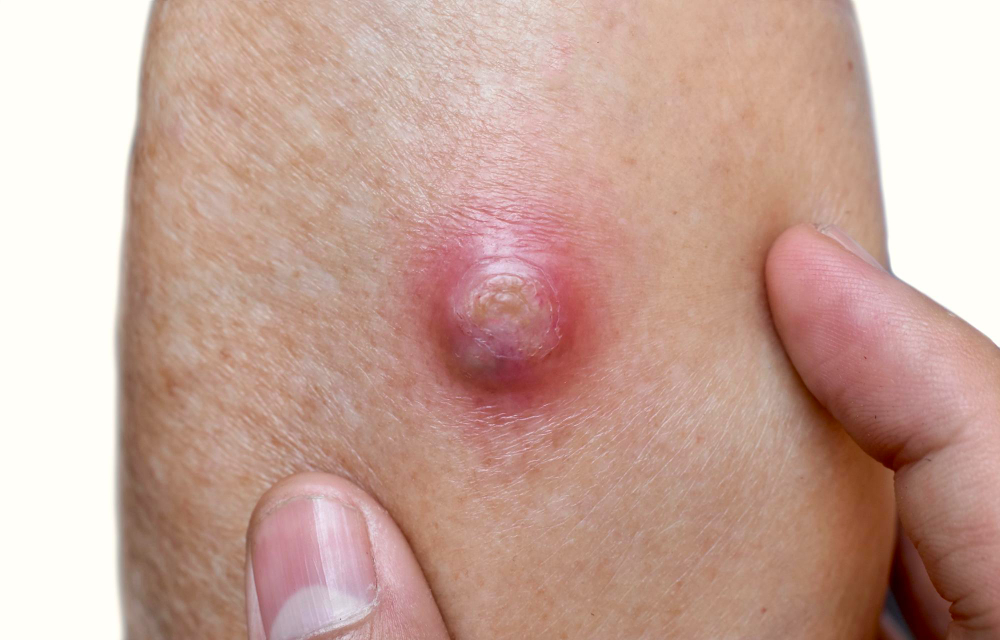
What Are Sebaceous Cysts?
Sebaceous cysts are small, non-cancerous lumps that form under the skin. These cysts often appear on the face, neck, or back. In many cases, sebaceous cysts are harmless and grow slowly. However, they can sometimes cause discomfort or become infected. People in the United States often notice these skin lumps during routine self-checks. For this reason, understanding sebaceous cysts is important for your skin health.
Causes of Sebaceous Cysts
Sebaceous cysts form when a hair follicle or skin gland gets blocked. As a result, oil and dead skin cells build up under the skin. Several factors can increase your risk:
Additionally, men are more likely to develop sebaceous cysts than women. However, anyone can get them at any age.
Common Symptoms
Most sebaceous cysts do not cause pain. However, some symptoms may include:
For example, if a cyst becomes tender or grows quickly, it may be infected. In such cases, you should seek medical advice.
When Should Sebaceous Cysts Be Removed?
Most sebaceous cysts do not need removal. However, removal may be necessary if:
Additionally, some people choose sebaceous cyst removal for cosmetic reasons. Your doctor can help you decide if removal is right for you.
Diagnosis and Treatment Options
Doctors usually diagnose sebaceous cysts by examining the skin. Sometimes, they may order an ultrasound or biopsy to confirm the diagnosis. Treatment for sebaceous cysts includes:
However, never try to squeeze or pop a cyst at home. This can lead to infection or scarring. According to the American Academy of Dermatology, surgical removal is the most effective way to prevent recurrence.
Prevention and Self-Care Tips
While you cannot always prevent sebaceous cysts, you can lower your risk. For example, you can:
Additionally, if you notice a new lump, monitor it for changes. Early care can help prevent complications.
When to See a Dermatologist
Most sebaceous cysts are harmless. However, you should see a dermatologist if:
For expert dermatology advice, a doctor can recommend the best treatment for sebaceous cysts. Early evaluation can also rule out other skin conditions.
Consult a dermatologist at Asha Skin Clinic for personalized advice about sebaceous cysts.