
What Is Lichen Planus?
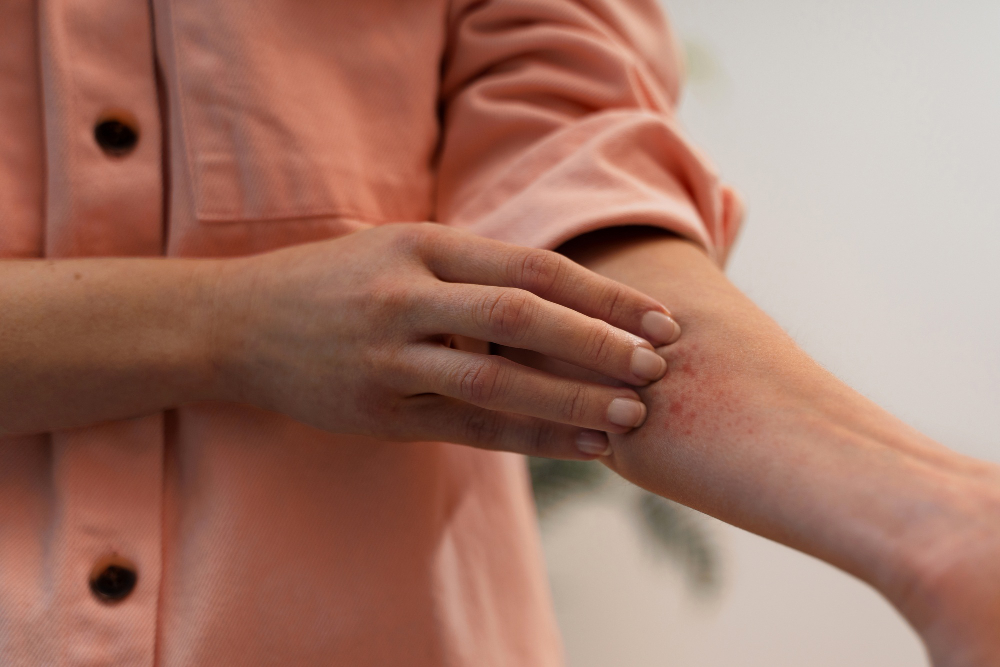
Lichen planus is a skin condition that causes itchy, flat bumps. These bumps can appear on your skin, mouth, or nails. Many people wonder about lichen planus causes and what triggers this problem. Although it is not contagious, it can be uncomfortable. Often, the exact reason for lichen planus is not clear. However, doctors believe it is linked to your immune system. In the United States, lichen planus affects both adults and children. Because it can look like other skin problems, it is important to know what causes lichen planus and when to seek help.
Main Causes of Lichen Planus
Doctors do not know the exact cause of lichen planus. Still, research shows that the immune system plays a big role. Your immune system usually protects you from germs. But sometimes, it attacks your own skin or mouth by mistake. This can lead to lichen planus. In some cases, certain medicines or infections can also trigger this skin condition. According to the Centers for Disease Control and Prevention (CDC), lichen planus is not caused by poor hygiene or direct contact with others.
Lichen Planus Causes: Risk Factors and Triggers
Several things can increase your risk or trigger lichen planus. Knowing these can help you avoid flare-ups. For example, some people may never know what caused their symptoms. But others may notice a clear trigger.
Additionally, skin injuries or dental fillings can sometimes trigger the condition. However, not everyone with these risk factors will develop lichen planus.
How Lichen Planus Develops in the Body
First, your immune system gets confused and attacks healthy skin or mouth cells. This causes swelling and the itchy, purple bumps seen in lichen planus. Sometimes, the condition affects only the skin. Other times, it can appear in the mouth, nails, or scalp. Because the immune system is involved, lichen planus is called an autoimmune condition. According to the World Health Organization (WHO), autoimmune conditions happen when the body attacks itself by mistake. Even though the cause is not always clear, triggers like infections or medicines can start the process.
When to See a Dermatologist
If you notice new, itchy bumps or sores that do not heal, it is wise to see a dermatologist. Early care can help manage symptoms and prevent problems. For example, if you have mouth sores, trouble eating, or nail changes, seek medical advice. Sometimes, lichen planus can look like other skin conditions. Therefore, a dermatologist can give you the right diagnosis and treatment. If you have concerns about lichen planus causes or triggers, do not wait to ask for help.
If you notice symptoms or have concerns about lichen planus, consult ASHA SKIN CLINIC for personalised dermatological evaluation and guidance.